
If you are asking, is my marriage over? the answer usually comes from patterns rather than one bad argument. A marriage may be in serious trouble when trust, respect, communication or the desire to stay together has been breaking down for a long time.
These 12 signs can help you look at what is happening more clearly, what may still be repairable, and when the relationship may be reaching its end.
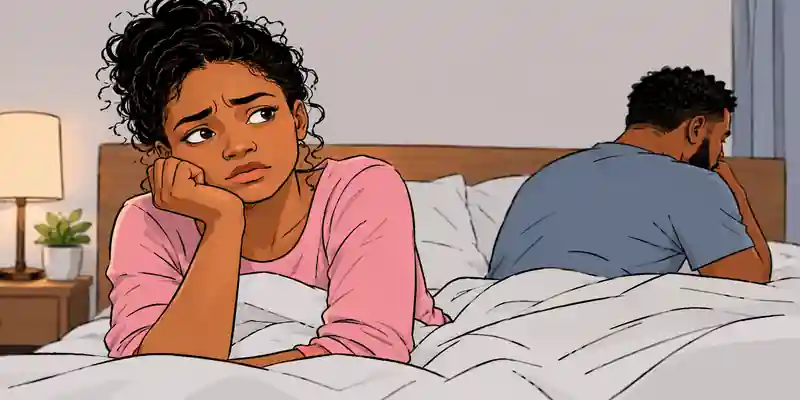
What Are the Signs Your Marriage Is Over?
If you keep asking is my marriage over, look for a pattern rather than one bad argument or a difficult week. The strongest warning signs usually appear together: communication breaks down, affection and respect disappear, trust is not rebuilt, you begin living separate lives, and one or both partners stop trying to repair the relationship.
No single sign proves that a marriage is over. What matters is whether the problems have become persistent, whether both partners recognise them, and whether there is still a genuine willingness to make things better.
1. You Have Stopped Talking About Anything That Matters
A marriage may be in trouble when communication becomes purely practical and emotional conversations disappear.
You may still discuss bills, children, shopping or work schedules, but avoid anything personal. Conversations become about running the household rather than understanding each other.
You stop asking how your partner really feels. They stop telling you.
This can be one of the clearest signs of a failing marriage because emotional communication is part of how couples maintain closeness, resolve problems and stay connected.
The American Psychological Association highlights open communication and constructive ways of handling difficult subjects as important parts of healthy relationships. Read the APA guidance on healthy relationships
2. The Same Arguments Keep Coming Back
Repeated arguments become a serious warning sign when the same problems return without understanding, compromise or change.
You argue about money.
You apologise.
A few weeks later, the same conflict returns.
Or perhaps the recurring problem involves trust, parenting, family interference, housework, intimacy or how much time you spend together.
Disagreement itself does not mean a marriage is failing. Healthy couples disagree too. The difference is whether those conversations eventually lead to solutions.
If you are wondering how to know if your marriage is over, ask whether difficult conversations still move the relationship forward. When every argument ends in the same resentment and nothing changes, the underlying problem remains unresolved.
3. One or Both of You No Longer Try to Repair Things
A marriage becomes more vulnerable when one or both partners stop trying to repair the relationship after conflict.
Problems can happen in any marriage. What often matters is what happens afterwards.
Do you apologise?
Do you return to the conversation?
Do either of you ask, “How can we make this better?”
When repair attempts disappear, there may instead be a feeling of whatever happens, happens.
That emotional withdrawal can be more concerning than anger itself. Anger can still mean the relationship matters. Persistent indifference may suggest that one or both partners have stopped investing emotionally.
4. Affection Has Almost Disappeared
A long-term loss of affection can signal deeper emotional distance, especially when neither partner is trying to restore closeness.
Physical affection is not only about sex.
It can include holding hands, kissing goodbye, sitting close together, touching while passing, laughing together or showing warmth without being asked.
A temporary reduction in affection can happen during stress, illness, pregnancy, grief, exhaustion or demanding periods at work.
The concern is a lasting pattern in which emotional and physical closeness continue to fade.
That can be one of the signs your marriage is falling apart, particularly when the loss of affection is accompanied by poor communication, resentment or avoidance.
5. You Feel More Alone With Your Partner Than Without Them
Feeling persistently lonely while married can indicate that emotional connection has broken down.
Being married does not automatically mean feeling supported or understood.
You may stop sharing good news because you no longer expect much interest.
You may turn to friends for emotional support because talking to your spouse feels pointless.
You may even begin organising your life so that you spend as little time together as possible.
Occasional loneliness can happen in any long-term relationship. Feeling consistently unseen, unheard or emotionally isolated inside the marriage is different and deserves attention.

6. Respect Has Been Replaced by Contempt
A marriage becomes much harder to repair when disagreement regularly turns into contempt, humiliation or personal attacks.
Contempt can appear through mocking, insults, eye-rolling, cruel jokes, deliberately embarrassing your spouse or speaking as though they are beneath you.
The disagreement is no longer only about what your partner did. It becomes an attack on who they are.
Once this pattern becomes normal, even small conversations can quickly become hostile.
If you are wondering whether your marriage is beyond repair, ask whether basic respect still exists. Couples can strongly disagree while still treating each other with dignity.
7. Trust Has Broken and Is Not Being Rebuilt
Broken trust becomes a serious threat to a marriage when the person responsible is unwilling to help rebuild it.
Trust may be damaged by infidelity, repeated lying, hidden spending, secret messages or promises that are continually broken.
A breach of trust does not automatically end a marriage. What happens afterwards matters.
Does the person who broke the trust acknowledge what happened?
Are they willing to answer reasonable questions?
Does their behaviour become more reliable over time?
Or is the injured partner simply told to “get over it”?
When there is no meaningful effort to rebuild trust, the damage often remains beneath the surface even when the couple stops talking about it.
For a deeper look at whether the relationship may still be repairable, read Can a Marriage Be Saved?
8. You Have Started Living Separate Lives
Living increasingly separate lives can be a warning sign when independence turns into emotional and practical disconnection.
Having separate hobbies, friendships and interests can be healthy.
The concern is when almost everything becomes separate.
You socialise separately.
Eat at different times.
Spend evenings in different rooms.
Plan weekends without considering one another.
Make important decisions individually.
Over time, you may begin functioning more like housemates than partners.
This does not automatically mean the marriage is over. The important question is whether the separation reflects healthy independence or whether being together has become uncomfortable, unwanted or emotionally draining.
9. Thoughts About Leaving Bring Relief Rather Than Fear
Repeatedly imagining separation and feeling mainly relieved can indicate that the marriage has become a major source of stress.
Thinking about divorce during an argument does not necessarily mean you truly want the relationship to end.
But the feeling deserves more attention when thoughts of leaving repeatedly bring calm rather than sadness or fear.
Perhaps you imagine living somewhere else and immediately feel lighter.
Maybe the thought of no longer arguing feels stronger than the fear of losing the relationship.
That does not mean you should make an immediate decision.
Instead, ask what feels relieving: escaping constant conflict, gaining freedom, feeling safer or simply getting distance from ongoing tension.
The answer may reveal which part of the marriage is causing the greatest distress.
10. You No Longer Picture a Future Together
A marriage may be weakening when shared plans disappear and each partner begins imagining the future separately.
Long-term relationships usually involve some sense of a shared future.
You might discuss holidays, where you will live, retirement, children, career changes or what you want life to look like next year.
When a marriage is struggling, those shared pictures can fade.
You start making plans as though your spouse will not be part of them.
They may be doing the same.
This is one reason people search is my marriage over before anyone has formally mentioned divorce. The marriage may still exist legally and practically while the emotional future has already begun separating into two different paths.
11. Only One Person Wants to Save the Marriage
A marriage cannot be repaired by one person indefinitely if the other partner has no interest in continuing or improving the relationship.
One partner can certainly begin positive changes.
You may be willing to communicate differently, rebuild trust, spend more time together or attend counselling.
But one person cannot create mutual commitment alone.
There is an important difference between a spouse who feels hurt or uncertain but remains willing to explore solutions, and someone who repeatedly says they no longer want the marriage and refuses every attempt to work on it.
A relationship has a better chance of improving when both people are still willing to participate in that process.
12. You Have Tried to Fix the Problems but Nothing Changes
One of the strongest signs a marriage cannot be saved is a long pattern of serious attempts to repair the same problems without meaningful change.
You have talked about what is wrong.
Made agreements.
Changed routines.
Perhaps attended counselling.
Yet months or years later, the same behaviour, resentment and hurt continue.
At that point, the important question is no longer simply, “Have we tried?”
It becomes, “Is anything actually changing?”
A marriage does not need to become perfect to be worth continuing. Progress can be gradual.
But there usually needs to be some evidence that both partners can make the relationship healthier, safer and more connected over time.
What These Signs Mean Together
The signs your marriage is over become more concerning when several appear at the same time and continue despite genuine attempts to address them. Communication problems alone may be repairable. A difficult period of low affection may also pass. But when emotional distance, contempt, broken trust, separate lives and lack of effort occur together, the marriage may be facing a deeper breakdown.
That still does not mean you should make an immediate decision based on a checklist. The more useful question is whether both partners recognise what is happening and whether there is still enough respect, care and willingness to work towards change.
What Is the Difference Between a Bad Patch and a Failing Marriage?
A bad patch usually has a clear cause and some sense that both partners are still facing it together. A failing marriage is more likely to show several ongoing patterns at once, such as emotional distance, unresolved conflict, loss of trust, little affection and declining commitment.
Emotional distance, repeated conflict and thoughts of separation can signal that a marriage needs serious attention.
Stress can temporarily change a relationship.
New children, bereavement, financial problems, illness, caring responsibilities, moving home or demanding jobs can leave couples exhausted and disconnected.
During those periods, the marriage may feel very different without necessarily being finished.
Ask what happens when the pressure begins to reduce.
Do you naturally move towards each other again?
Can you still work as a team?
Do both of you recognise that something is wrong and want to improve it?
If yes, you may be dealing with a difficult stage rather than the end of the marriage.
The more concerning pattern is when the problems continue regardless of circumstances and neither person believes meaningful change is likely.
Can a Marriage Be Saved When These Signs Appear?
Yes, some marriages can recover even after serious periods of distance, conflict or broken trust. The presence of several warning signs does not automatically decide the outcome; what matters just as much is whether both partners are willing to address them.

A couple may have poor communication but still care deeply about rebuilding it.
Trust may have been damaged, but both people may be willing to do the slow work required to restore it.
A stressful period may have pushed two people apart without destroying the relationship underneath.
That is why is my marriage worth saving is a different question from whether the marriage currently has problems.
Look at what remains.
Is there respect?
Do both people still care about the outcome?
Can you speak honestly?
Can either of you admit mistakes?
Are promised changes beginning to show in everyday behaviour?
If you are trying to decide whether repair is still realistic, Can a Marriage Be Saved? What to Consider Before Divorce explores that question in more detail.
What to Do When Your Marriage Feels Over
When a marriage feels close to ending, avoid trying to settle the entire future in the middle of the latest argument. First work out what is actually happening, what each person wants and whether both partners are willing to make specific changes.
Choose a calmer time and speak plainly.
You might begin with the problem rather than the threat of divorce:
“We have been living separately inside the same house for months, and I don’t think we can keep ignoring it.”
Listen to your spouse’s view as carefully as you explain your own.
You may discover that both of you are unhappy for similar reasons. You may also discover that you see the state of the marriage very differently.
If both of you want to try, agree on specific changes rather than vague promises.
“Spend more time together” is unclear.
“One evening each week without work or phones” gives you something you can actually do.
When rebuilding ordinary time together makes sense, Date Night Ideas offers simple ways to reconnect without making every evening another discussion about the marriage.
When Marriage Counselling May Help
Marriage counselling may help when conversations at home keep returning to the same arguments, communication has broken down or both partners are unsure whether the relationship can improve.
A counsellor does not decide whether you should stay married.
The purpose is to give both people space to explain what is happening, identify patterns and work out whether meaningful change is possible.
Relate explains that relationship counselling can help couples clarify the problems they are facing. For some couples, counselling strengthens the relationship; for others, it helps them decide that separation is the better direction.
If you still care about the relationship but find it difficult to say what you feel face to face, a personal message can be a gentle first step. A thoughtful card will not solve deeper marriage problems, but it can help you express something sincere and open the door to a conversation.
Turn this message into an animated greeting card
Add names, personalise your message and preview it instantly.
No signup · Secure checkout · Export-ready GIFs
Get 1 Free Greeting CardYou do not have to wait until the marriage is almost over.
Counselling may be worth considering when you cannot discuss important subjects without escalating, when the same dispute keeps returning, or when you have reached a point where neither person knows how to begin fixing things.
Relationship counselling from Relate
When Safety Matters More Than Saving the Marriage
Safety matters more than saving the marriage when there is violence, coercive control, stalking, threats, sexual abuse, intimidation or fear.
These problems should not be treated as ordinary marital conflict.
Being frightened of your partner is different from being unhappy with them.
You should not have to prove commitment by staying in an unsafe situation.
The NHS provides information on recognising domestic abuse and finding confidential support in the UK.
NHS help for domestic violence and abuse
If there is immediate danger, contact the emergency service for your location rather than waiting for a relationship conversation or counselling appointment.
Related Relationship Guides
Marriage problems can lead in different directions, so the next useful guide depends on what you are trying to decide.
If you still believe the relationship may be repaired, read Can a Marriage Be Saved?
If a separation has already happened and you are wondering whether another attempt makes sense, Should I Get Back With My Ex? looks at what should change before trying again.
If the relationship has ended and your focus has shifted towards moving forward, see How to Get Over Your Ex.
For questions about recovery after the relationship ends, How Long Does It Take to Get Over a Breakup? explains why there is no single timeline.
Frequently Asked Questions
These questions answer some of the most common concerns people have when they are unsure whether a difficult marriage is going through a temporary bad period or reaching its end.
How do you know when your marriage is over?
There is rarely one sign that proves a marriage is over. Look for continuing patterns such as loss of trust, emotional distance, lack of respect, repeated unresolved conflict and one or both partners no longer wanting to work on the relationship.
Several of these happening together usually matters more than one sign on its own.
What are the biggest signs your marriage is over?
The biggest warning signs include persistent contempt, little meaningful communication, separate lives, unresolved betrayal, emotional withdrawal and a complete loss of interest in repairing the relationship.
Emotional distance, repeated conflict and loss of connection can leave couples wondering whether their marriage is coming to an end.
Is constant arguing a sign the marriage is over?
Not necessarily. Some couples argue frequently but still repair disagreements, stay emotionally connected and make changes after conflict.
The stronger warning sign is repeating the same arguments without resolution, especially when they are combined with hostility, contempt or emotional withdrawal.
Is no arguing a sign a marriage is ending?
It can be, but not always.
A peaceful relationship may simply be healthy.
The concern is when arguments stop because one or both partners have stopped caring enough to discuss problems or no longer believe anything will change.
Can a failing marriage become healthy again?
Yes, some failing marriages can become healthier when both partners recognise what is wrong and make consistent changes.
Communication, trust and closeness usually take time to rebuild, particularly when the problems have existed for years.
How do I know if my marriage is beyond repair?
No checklist can decide this for every couple.
Ask whether both people still want the relationship, whether respect remains, whether the main problems can realistically change and whether previous attempts to improve things have led to lasting progress.
A marriage may be much harder to repair when one partner has emotionally left, contempt has become normal or repeated attempts at change have failed.
Is my marriage worth saving?
A marriage may be worth trying to repair when both partners want to stay, can acknowledge the problems and are willing to change their behaviour.
Wanting to avoid divorce alone is not the same as wanting to rebuild the marriage.
The more useful question is whether there is still mutual respect, care and willingness to create a healthier relationship.
Can a marriage survive without intimacy?
Yes, some marriages can survive periods of reduced intimacy, and couples have different needs.
The bigger issue is whether both partners are comfortable with the situation and can discuss it openly.
When one person feels rejected and the subject cannot be discussed honestly, the problem may become much larger than sex itself.
Does sleeping in separate rooms mean a marriage is over?
No. Sleeping in separate rooms does not automatically mean the marriage is ending.
Couples may sleep separately because of work schedules, snoring, health conditions, caring responsibilities or personal preference.
It becomes more relevant when sleeping apart is one part of a wider pattern of avoiding each other emotionally and physically.
Can a marriage recover after cheating?
Yes, some marriages recover after infidelity.
Recovery usually requires honesty, responsibility, patience and consistent behaviour from the person who broke the trust.
The other spouse also has the right to decide that they do not want to continue the relationship.
Should we stay together for the children?
Children need security, care and a safe home environment.
Whether that is best achieved by parents remaining together depends on the relationship and the level of conflict in the home.
Staying together while living with constant hostility is not automatically better simply because the parents remain married.
When should you stop trying to save a marriage?
Consider this question seriously when one partner has clearly chosen to leave, repeated efforts have produced no meaningful change, or the relationship involves abuse, fear or coercive control.
You cannot rebuild a marriage without the other person’s participation.
A Troubled Marriage Is Not Automatically an Ended Marriage
Asking is my marriage over usually means something important has already changed, but a troubled marriage is not automatically a finished marriage.
Do not ignore persistent distance, broken trust, contempt or years of unresolved conflict.
But do not assume one difficult season proves the relationship has reached its end either.
Look at the pattern, what has already been tried, whether respect remains and whether both people genuinely want to work on what is wrong.
Sometimes that leads to rebuilding the marriage.
Sometimes it leads to accepting that the relationship has finished.
Either outcome becomes clearer when the decision is based on what the marriage is actually like now rather than only on fear of what might happen next.